


The English alphabet, as we know it today, consists of 26 letters. However, this was not always the case. In the early stages of its development, the English language had at least 5 more characters (and two ligatures), all of which have been omitted over the centuries. These forgotten letters of the English alphabet offer a fascinating glimpse into the history of the language and the evolution of its written form.
The Lost Letters
1. Eth (Ð/ð)
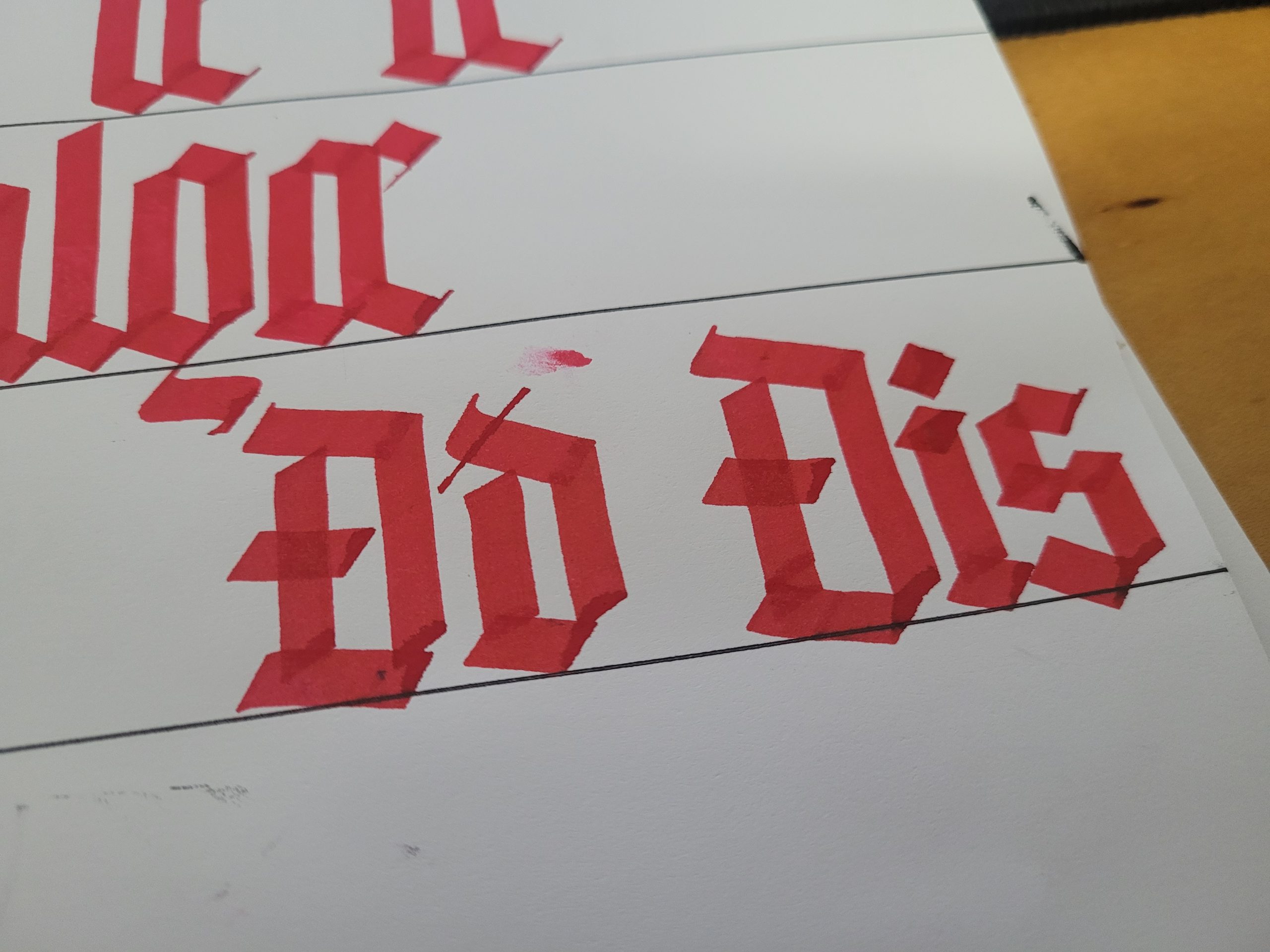
One of the most well-known lost letters of the English alphabet is “eth” (Ð/ð). This letter represented the voiced dental fricative sound, similar to the “th” sound in words like “this” and “that.” Eth was commonly used in Old English and Middle English texts but gradually fell out of use during the Middle English period. It was often replaced by the letter “thorn” (Þ/þ), which we will discuss next. Words with Eth: Ðis, ðat and ðe oðer. (This, that and the other)
2. Thorn (Þ/þ)
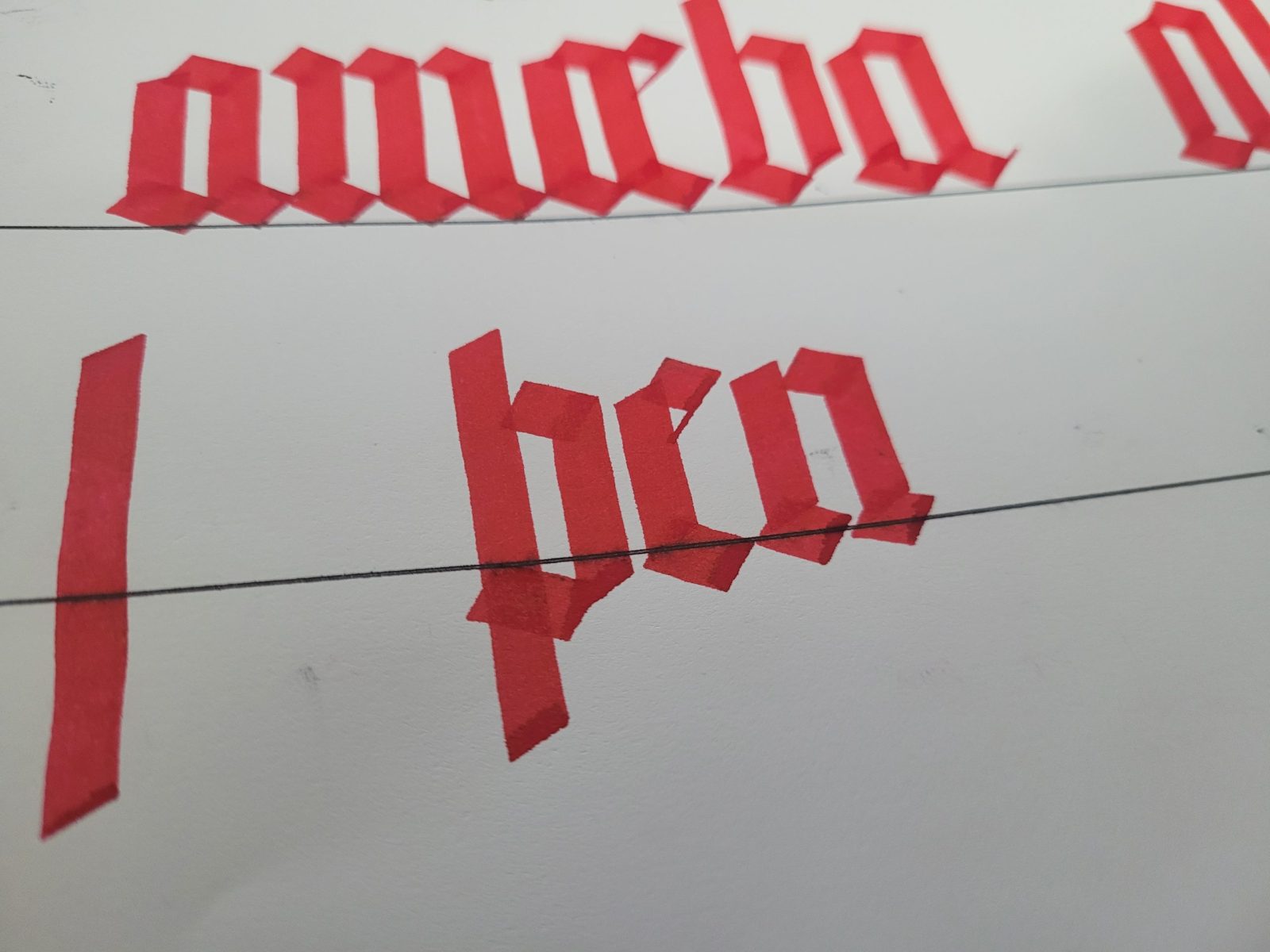
Thorn, represented by the letterform (Þ/þ) is another letter that has been omitted from the modern English alphabet. It also represented the voiced dental fricative sound, much like “eth.” Thorn was widely used in Old English texts and can be found in words like “þe” (the) and “þorn” (thorn). Whenever you see an old timey reference in a movie to “Ye Olde Tavern,” the “y” is actually the long forgotten thorn. Over time, it was replaced by the letter combo “th.”
3. Wynn (Ƿ/ƿ)
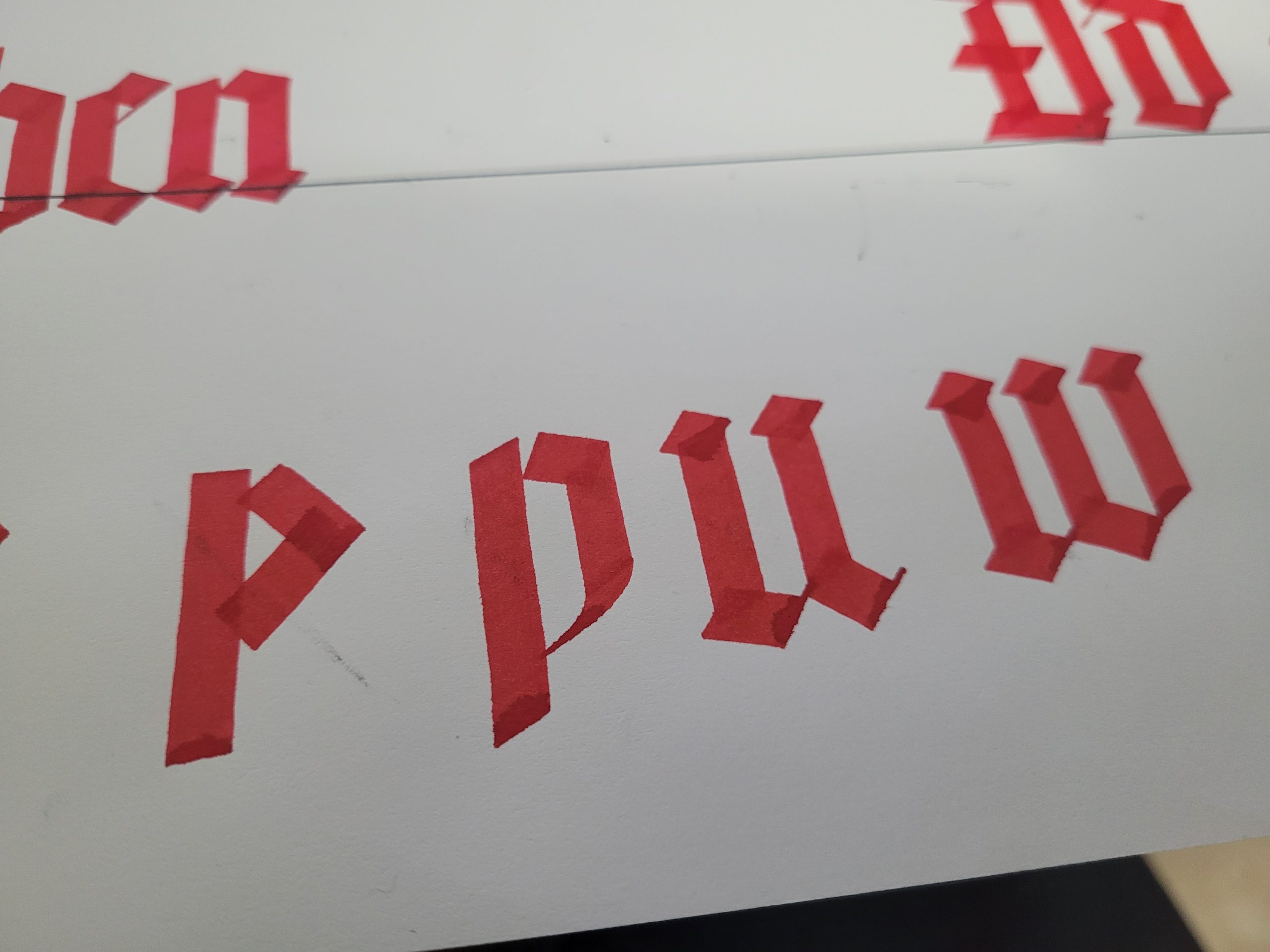
Wynn, represented by the letterform “ƿ” or “Ƿ,” was used in Old English to denote the sound we now represent with “w.” It looked quite similar to the letter “p” in its early form (elder Furthark rune Wynn (ᚹ). Wynn fell out of use by the Middle English period, where it was replaced with the letter u and then the ligature double “uu.” Double uu’s ligature eventually became “w”.
4. Yogh (Ȝ/ȝ)
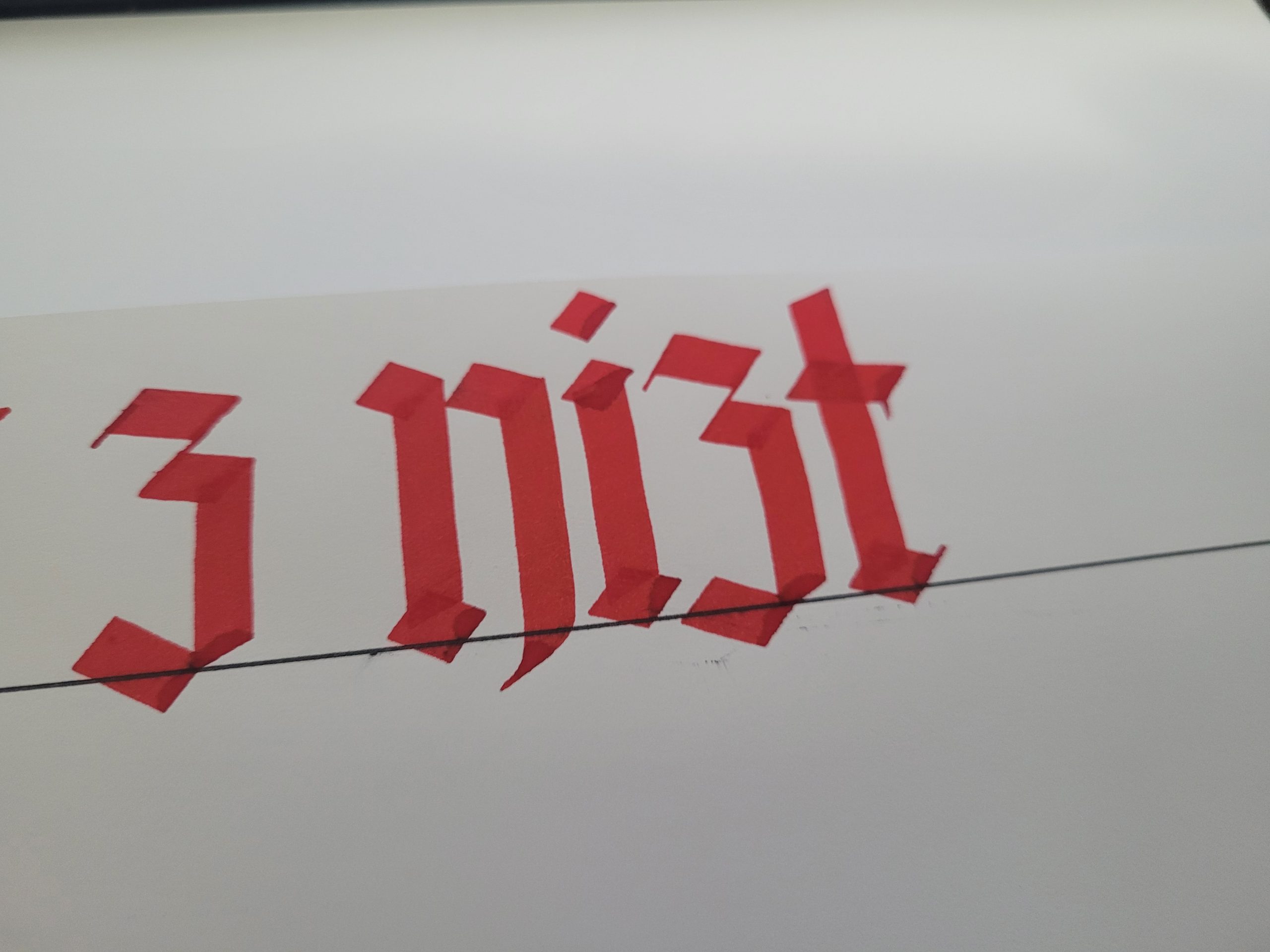
Yogh, written as “Ȝ,” is a letter that represented various sounds over time, including a guttural sound similar to the “ch” in the Scottish beastie “Loch Ness.” The yogh glyph can be found in many Middle English words like niȝt (“Night”), ȝiefte (“Gift”), ȝise (“Yes”) and ȝisterday (“Yesterday”). The use of yogh became confused with a cursive z and the early Scots printers often used z when yogh was not available in their fonts. Over time, the letter Yogh fell out of favour, mostly due to the confusion of spelling and sounds that were not agreed upon among scribes, as the English language was hardly standardized at the time (1150-1500AD).
5. Long S (ſ)
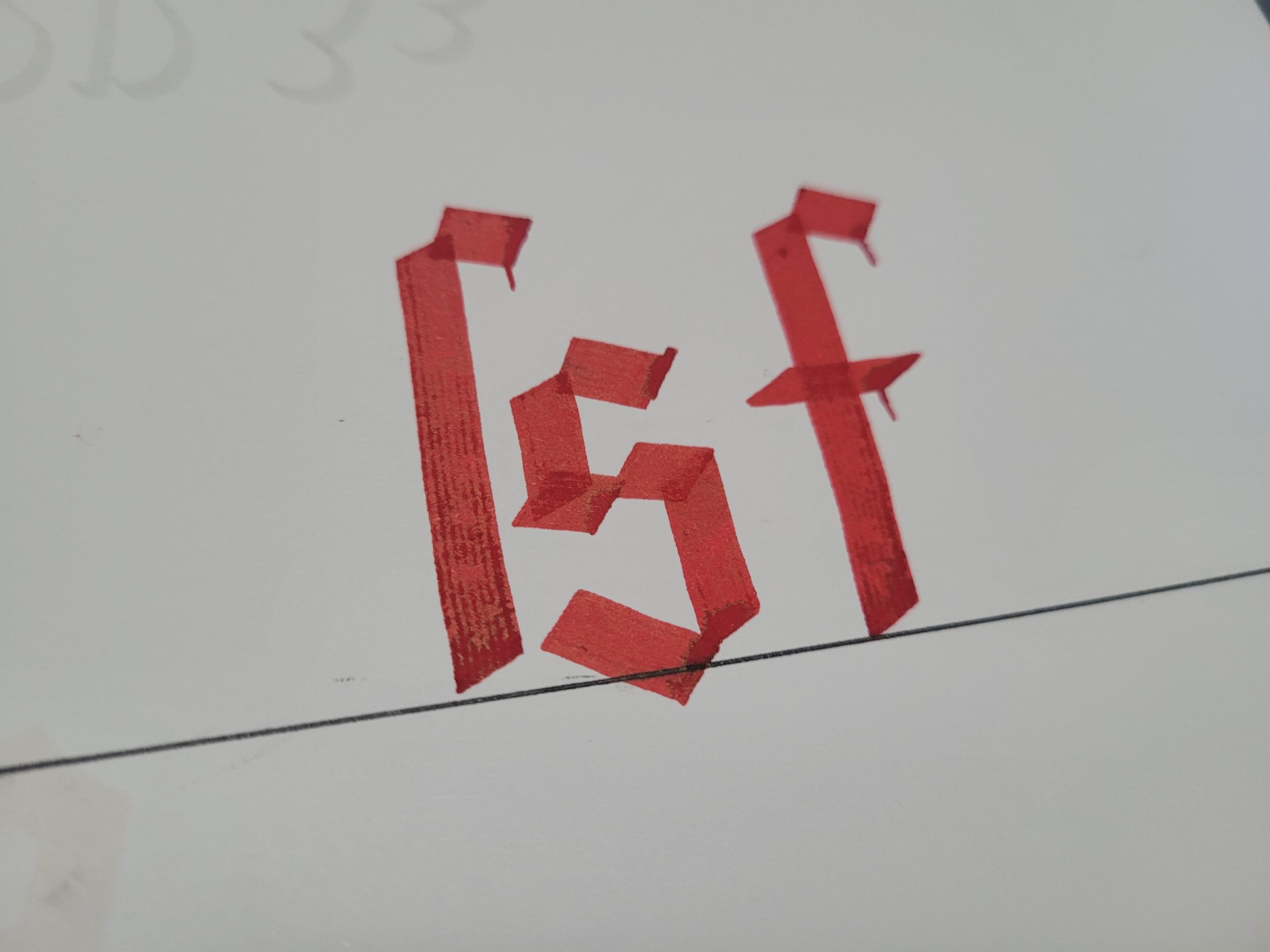
The long s, often written as “ſ,” was a letter that looked much like the letter “f” (just without a crossbar) but was used exclusively as an “s” in early English printing. It was used in place of the modern “s” in most positions within a word and can be found in texts dating back to the 16th century. There was also a long list of rules that were not always followed which included: it could never be used for the last letter of word or be used in front or behind an “f” (for clarity).
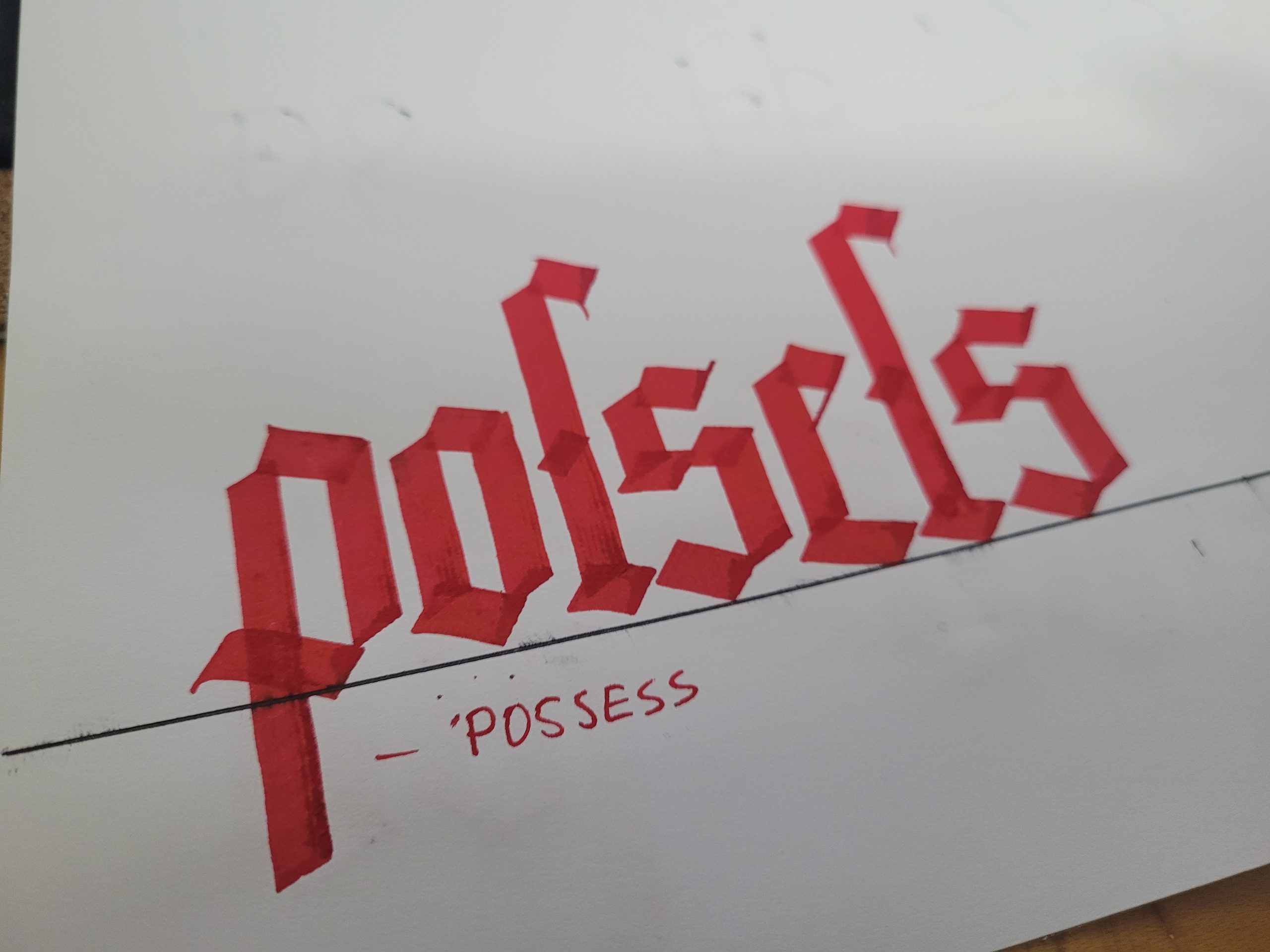
Some words with the long s: ſubſtantive, ſucceſs, ſatisfaction, and ſong. It eventually became less common due to it’s redundancy in sound with the letter “s”, it’s complicated ruleset, and it’s visual similarity to the letter “f”.
6. Œthel (Œ/œ)
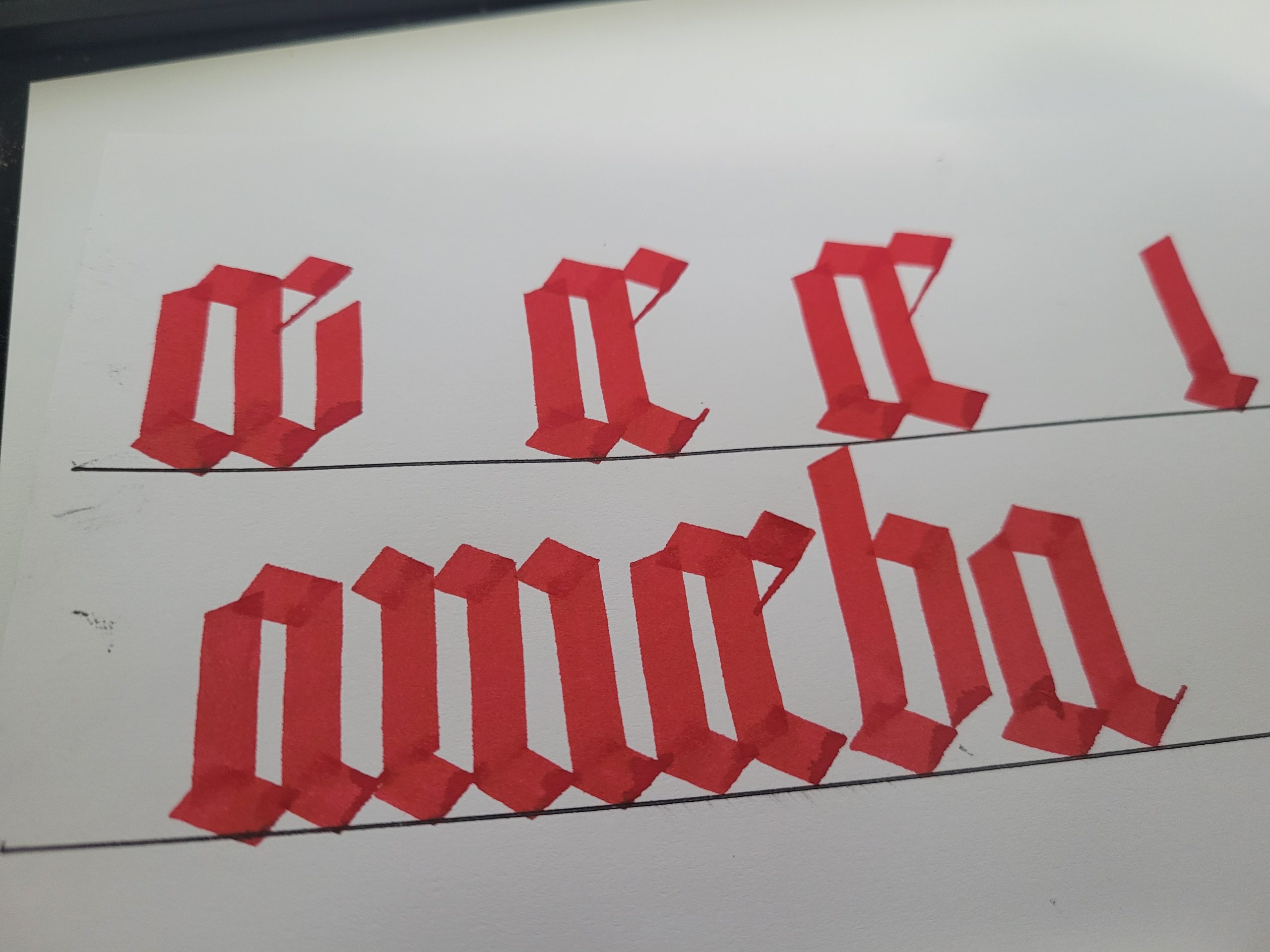
Pronounced “ee-thel” this symbol was first created to represent the complicated sounds of the Greek language in the Latin alphabet. It also is used to adapt the sound of the ancient English rune Odal (ᛟ) into the English alphabet. While it is technically a ligature, which is a symbol which is made of a combination of two individual letters “o” and “e”, this character represented the long “e” sound like in words like “need.” Some modern words what you may be familiar with include: Phœbe, amœba, phœnix and subpœna.

7. Ash (Æ/æ)
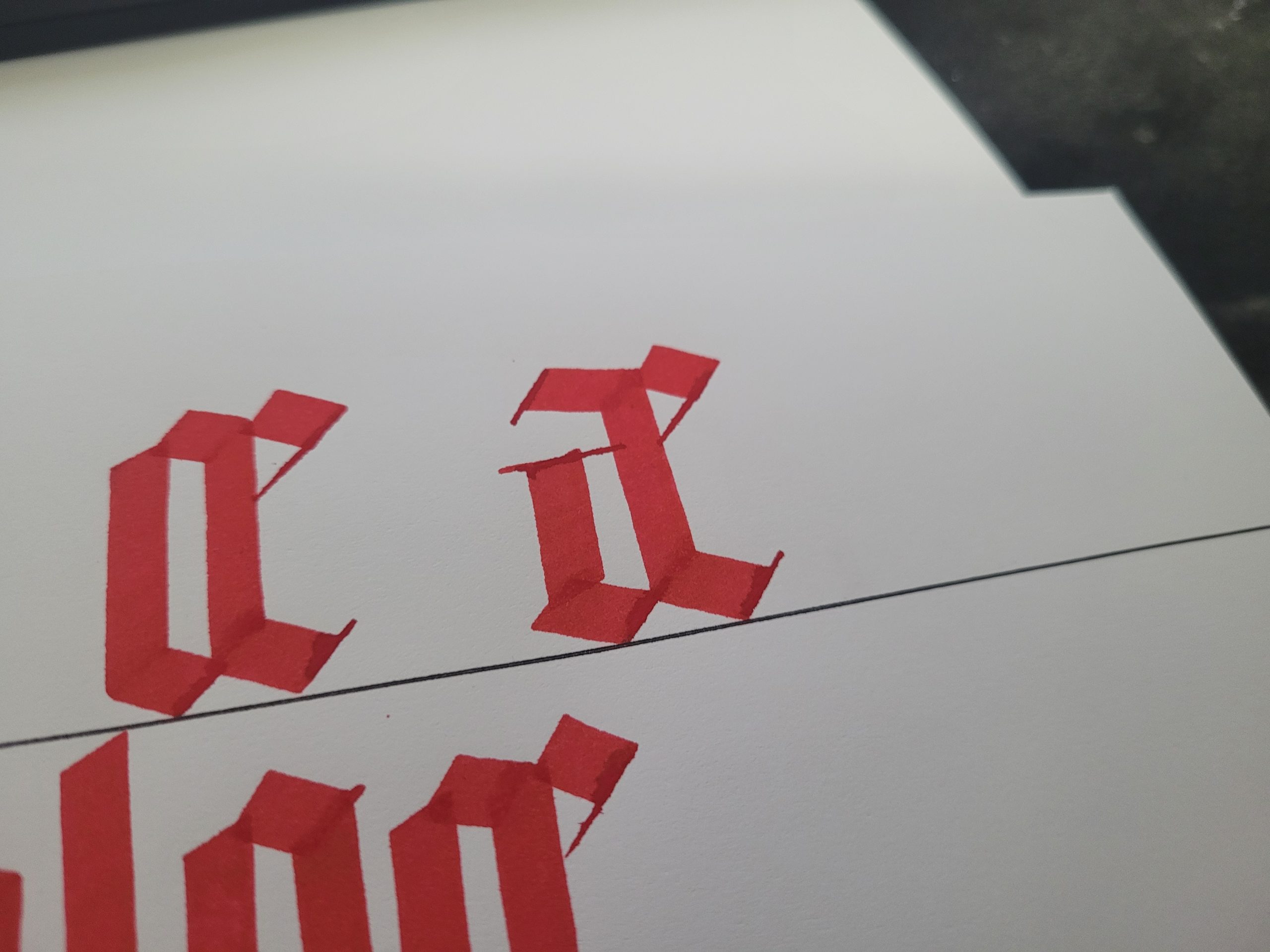
Ash, symbolized by the letter “Æ/æ,” was used in Old English to represent a vowel sound similar to the modern short “a” sound in words like “cat” and “hat.” In modern times however, the sound is funnily enough similar to our previous ligature ethel (“œ”). While it is no longer considered a distinct letter in the English alphabet, it is still used in some modern languages like Danish and Norwegian. Modern examples include: Archaeology, Cæsar, algæ, and vertibræ.
Conclusion
The history of the English alphabet is a rich and complex one, and the forgotten letters mentioned above are just a few examples of how the language has evolved over time. While these letters are no longer part of the standard English alphabet, they provide valuable insights into the linguistic heritage of the language. Exploring these lost characters helps us appreciate the long journey that the English alphabet has taken from its early roots to its current form, and it serves as a reminder of the ever-changing nature of language.
If you enjoyed this post, chances are you also would like it’s sister post about the Origins of Common Keyboard Symbols detailing symbols such as: !, @, #, $, %, &, and *
Did I miss any strange characters? Something of note to add to the list? Let me know in the comments. Happy writing.
-Richard
I never knew this Richard! Now I will look at words in a whole new light!
So interesting! Many of these still exist in German, of course (both having similar roots). Whilst the sounds are different oe/ő, ue/ü, ae/ä all exist and so (despite attempts to scrap it!) does the long s, ß called sharp s, and the same shape as that f/s combo (with a little imagination).
Interesting! It’s cool to see how two languages which were one, diverge. That sharp s (ß) is a really cool character. I went down a rabbit hole with it and saw it’s cursive versions. Thank you for your input Chris.
Wow! Very interesting
When looking at old documents like the Declaration of Independence and the US Continuation you see some of these letters. They have always been a fascination to me. Thank you for putting this info on line.
Thank you for your kind words. And thank you for taking the time to comment 🙂
Πis NOT a forgotten letter just keep a long press in o in phone keyboard
You are correct. It does exist, but I guess I meant “forgotten” in the sense of not commonly used. Do you use it often?
“
You forgot Ϻ(San), Ξ(xi), AND OND(⁊)
As a moderator of r/theforgottenletters, I can say that this is just a few.
Here is a list:
Æ, Æsc
CↃꙆ, Oa
Ə, schwə
Ð, Eð
Ⅎ, digamma inⅎersum
Ᵹ, insular Ᵹ
Ꟑ, closed insular Ꟑ
Ȝ, yoȝ
Ⱶ, half h
Ɥ, Ɥh
𐌈, 𐌈e
Ŋ, eŋ
ᛝ, iᛝwaz
𐌎, e𐌎
Œ, œthel
ᛟ, ᛟthala
Ϻ, Ϻade
Ʃ, eʃ
ⵋ, antisigma
Þ, þorn
ꟓ, double þorn
Ƿ, ƿynn
ꟕ, double ƿynn
𐌘, 𐌘e
𐌙, 𐌙e
&, and per se &
⁊, tironian ⁊
Hi Visaa,
I have 6 of these but the rest of these I will have to look into.
Thanks for the input!
-Richard
Golly, you made my week! I love such comparative rarities. Roughly half a dozen were new and surprising.
In my Jitterbug 4 phone, a mixed blessing, I saw only a few “tofu” (See origin of the Noto fonts).
Right in my immediate neighborhood is a small plumbing company named for (quite likely) its founder. I see its panel trucks, showing “Æ Carter…” prominently, as the company name.
Alas, while (Ash) Carter was a national Cabinet secretary, I failed to publicize the close similarity.
I’ve found it difficult in past
decades to learn the same of “Œ”, and when I did, it was a modest surprise.
It would be a delight to read more about the the origins (if known, of the letter, as well as its name) of more of these.
Probably the origin of the contraction “ampersand” (which you alluded to) is best known. One such explanation said that it used to be the last letter (27th) of our alphabet.
Hi Vell!
I am very glad you enjoyed this post. It seems to get more traction that I would think. I do in fact have a post about the common keyboard symbols (which includes ampersand) that for some reason I did not link to. Thank you for that, as I will now link to it here as well: https://calligrascape.com/keyboard-symbology/
If you are interested, there is a good comment listing a whole bunch of new letters that I will be looking into in the future. That could be a good place to start 🙂
Let me know if you find any information and I will add it to this post.
i tried þe writing on my essay and my teacher gave me a A+
þats great! þanks for letting me know!
You forgot & (and per se and), so it should be “ Ðis, ðat & ðe oðer” &c.
Long s still is used in German.
Hey drive by commenter (love the name btw) Ampersand is covered over in my other post: Typing Through Time: Tracing the Roots of Common Keyboard Symbols (https://calligrascape.com/keyboard-symbology/).
Yes, you are correct, long s is used in German still, but from an English perspective, it is “forgotten”.
Thank you for your comment
Thanks for this informative work!
A possible correction to the commenter that showed a symbol that looks rather like a latin “B”, and identified it sa a German “sharp S”: I rather believe that the symbol is simply a double S, a ligature of the “long S” and the standard S. Precedent for different “s”s in different positions in the word goes back to the Greek, which used the σ form of sigma in the middle of a word, and ς at the end.
A question you may have inadvertently left open, regarding thorn and eth. It was my belief that thorn was the voiceless dental fricative, (as in “think”), and eth the voiced (as in “the”). This is supported by the similarity of the eth character to Latin upper-case D and to Greek lower-case delta, also voiced. This is controverted by the use of thorn to spell the definite article, which is voiced.
Another site states that thorn is voiced and eth voiceless. Your site describes them both as voiced. Seems a voiceless dental fricative is needed. What Þink you?
The German letter that looks like an upper-case B is referred to as an ‘ess-zed’. It has been replaced among some German speakers by ss, especially in Switzerland. As the German name of the letter indicates, it was originally a combination of sz, not ss. Some older printed texts actually used sz, but this practise has fallen out of favour since World War II. Recent attempts by German authorities to retire the letter altogether generated considerable push-back, and may ultimately fail.
Thanks for the excellent input John!
As a logophile, I find words more than fascinating, and some of these now unused (in English) letters add to my appreciation for the words that once included them. As someone who has always struggled with spelling, I am so very, very happy that most of these letters have become obsolete (again, in English). One that I do wish was still around today though is the letter Ð/ð (Eth) for two reasons. One reason is because it would be simpler to use one character instead of two when writing or typing, especially in instances when character count limits are imposed. The second reason is because my second language is Italian, and traditionally there was no “th/ð” sound in Italian. (Ðink how much shorter ðis comment would be.) They had to add the “th” sound into that language fairly recently to accommodate all the new words that have entered the global lexicon in the digital age. (People who learned Italian as their primary language before computers became ubiquitous often substituted for it with an “f” sound when speaking a second language like English, so words like “Earth” and “thing” were pronounced as “Earf” and “fing.”)
I presume the letter Eth fell into disuse due to its visual similarities to the letter D (Ð/ð D/d) on the page. I presume its successor, the letter Thorn (Þ/þ) suffered the same fate for a similar reason since it is so visually similar to the letter P/p, just like the letter Wynn (Ƿ/ƿ). Above you mentioned confusion caused by such visual similarities to other letters as the reason, or at least part of the reason for a some of these letters to fall into disuse, notably Wynn (Ƿ/ƿ) compared to P/p, Yoghurt (Ȝ/ȝ) compared to the letter Z/z when written in cursive, and Long s (ſ) compared to the lowercase f, which all make perfect sense. You did not comment on such similarities to other written or printed letters as a contributing reason for why Eth & Thorn (or Eð & Þorn) however. I am curious to know if my presumptions about their falling to disuse for the same reasons are correct. Is it known why Eð & Þorn stopped being used, and if so am I correct as to why?